There is new hope.
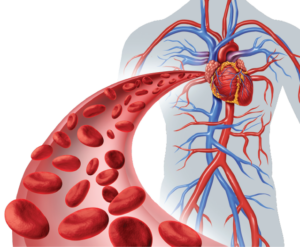
We believe therapeutic angiogenesis, in the form of Fibroblast Growth Factor 1 (FGF-1), can be used to treat a number of medical conditions currently unmet in neurology, heart disease, and diabetes. Scientists and doctors have been working on therapeutic angiogenesis for the last 27 years. We are using this research to bring you new treatments for Parkinson's Disease, Heart Disease, Diabetic Foot Ulcers, MS, and other diseases.
Neurological Diseases
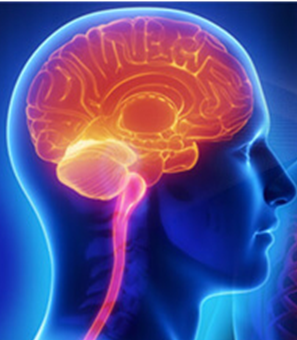
Vascular disorder and reduced blood perfusion in the small capillaries of the brain lead to the slow starvation of neurons. We believe that this is the initiating cause of Parkinson’s disease, as well as numerous other neurodegenerative diseases, including Alzheimer’s disease and MS.
> More about Parkinson's Disease (PD)
Diabetic Foot Ulcers
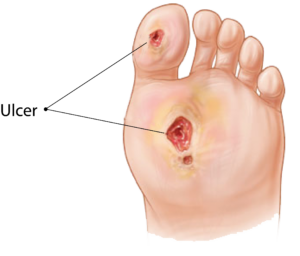
Diabetic foot ulcers are associated with a high risk of death—the five-year mortality rate after a foot ulcer can be as high as 50–70%, which is comparable to many cancers. Mortality is even higher after amputation. Even after healing, foot ulcers often recur; up to 65% of patients experience another ulcer within three to five years. Chronic ulcers and repeated infections can lead to ongoing pain, immobility, and further complications.
FGF-1 is also a potent mitogen for all of the principal cell types that make up skin, including dermal fibroblasts and keratinocytes.
COVID-19 Lung Damage and Lung Disease
30% of the individuals infected with COVID-19 and have symptoms, will sustain long-term lung damage. The cells in the lungs that are attacked by SARS-CoV-2 virus are the epithelial cells.
Wund believes, based on animal studies, that FGF-1 has shown great promise to stimulate the growth of lung epithelial cells and to repair damage in the lungs. Zhittya is developing a clinical protocol to start clinical trials for COVID-19 Lung Disease.
Heart Disease and Stroke
Heart Disease and Stroke result from a lack of blood flow to the heart or the brain. Clinical studies support the angiogenic potential of human growth factor FGF-1 in stimulating the growth of new functional and stable blood vessels, including in the human myocardium.