
The Healing Begins with Angiogenesis
What is Angiogenesis?
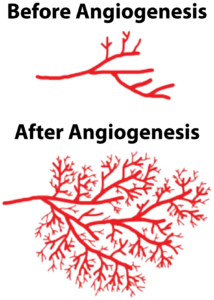
Angiogenesis is the growth of new capillary blood vessels. It is a natural process. When we cut ourselves, angiogenic growth factors in our bodies are released which stimulate the growth of new blood vessels in the injured tissues. When a person has coronary artery disease, that person’s body will use growth factors to grow new blood vessels to help the heart’s circulation. Angiogenesis occurs throughout your life, beginning in utero and continuing through old age. No metabolically active tissue in the body is more than a few hundred micrometers from a blood capillary. Capillaries are needed in all tissues for diffusion exchange of nutrients and metabolites.
How Does Angiogenesis Heal the Body?
Angiogenesis is always occurring in the human body when there has been an acute injury. However, we believe that when there are chronic conditions such as atherosclerosis that cause the blood flow to slowly diminish over time, the body does not receive a strong enough signal to send growth factors to start the process. Therapeutic angiogenesis is the clinical procedure in which a growth factor is injected into parts of the body that need more blood vessels and blood flow, such as a diseased heart or peripheral artery disease or wounds.
Angiogenesis-based medicine is the use of natural growth factors found in our bodies to stimulate the process of new vessel growth in under-perfused organs or tissues. The growth factor is injected or infused into the body, or topically applied. Therapeutic angiogenesis stimulates new blood vessel growth only where it is needed. Therapeutic angiogenesis may even help to regenerate damaged or lost tissues in ways that were previously considered impossible, such as with nerves and brain tissue.
According to the Angiogenesis Foundation in Cambridge, MA, over 70 human diseases have been linked to a lack of blood perfusion.
Some of the conditions that are caused by poor blood perfusion:
- Amyotrophic Lateral Sclerosis (ALS)
- Peripheral Artery Disease (PAD)
- Heart Disease and Stroke
- Small Vessel Disease
- Angina
- Parkinson's Disease
- Multiple Sclerosis
- Diabetic Foot Ulcers (DFU)
- Venous Ulcers & Burns
- Surgical Wounds & Bed Sores
- Traumatic Brain Injury
- Dementia & Alzheimer’s Disease
- Chronic Traumatic Encephalopathy (CTE)
- Chronic Depression
Why is Angiogenesis Important?
The lack of blood perfusion (flow) to an organ or tissue is the single biggest cause of death in the world. Heart attacks, strokes and the complications of diabetes all result from a decreased flow of blood into a tissue or organ. In the U.S., the American Heart Association reports that nearly 20% of all deaths are from cardiovascular disease caused by a lack of blood perfusion to the heart or brain (2017 AHA statistics). In the U.S., 24 million Americans have diabetes, and a significant percentage of these patients progress to develop vascular complications of their diabetes including foot ulcers, peripheral vascular disease, and critical limb ischemia.
FGF-1 Protein
How FGF-1 Grows Blood Vessels
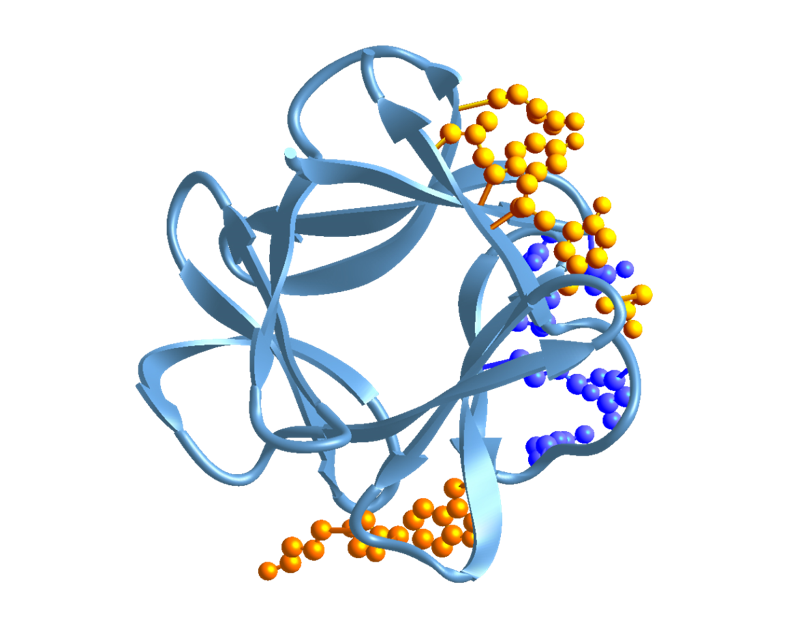
Fibroblast Growth Factor 1 (FGF-1) is a potent stimulator of angiogenesis. It is important for the natural healing processes. A number of growth factors have been shown to stimulate angiogenesis, including VegF (vascular endothelial cell growth factor) and EGF (epidermal growth factor), but one growth factor, in particular, FGF-1, stands out due to its potency and its ability to stimulate the production of not only capillaries but larger arterioles, which are critical in bringing more blood into the injured tissue.
FGF-1 is a natural protein contained within our bodies. It is released upon tissue injury and is the body’s natural response to tissue repair. Human FGF-1 is a 141 amino acid single chain protein and is a member of a family that includes 22 FGF proteins. FGF-1 is the only growth factor known to be potently mitogenic for dermal fibroblasts, vascular endothelial cells, and epidermal keratinocytes, the three major cell types present in skin which make it an attractive therapeutic agent to promote dermal healing.